- English
- Español
- Português
- русский
- Français
- 日本語
- Deutsch
- tiếng Việt
- Italiano
- Nederlands
- ภาษาไทย
- Polski
- 한국어
- Svenska
- magyar
- Malay
- বাংলা ভাষার
- Dansk
- Suomi
- हिन्दी
- Pilipino
- Türkçe
- Gaeilge
- العربية
- Indonesia
- Norsk
- تمل
- český
- ελληνικά
- український
- Javanese
- فارسی
- தமிழ்
- తెలుగు
- नेपाली
- Burmese
- български
- ລາວ
- Latine
- Қазақша
- Euskal
- Azərbaycan
- Slovenský jazyk
- Македонски
- Lietuvos
- Eesti Keel
- Română
- Slovenski
- मराठी
- Srpski језик

Why are hydraulic bushings the "hidden heroes" ensuring stable operation of heavy machinery?
In modern industrial hydraulic systems, as equipment develops towards higher loads, higher frequencies, and higher precision, even minute components often determine the overall operational stability of the machine. Recently, technical experts in the industrial machinery field pointed out that selecting high-quality hydraulic bushings has become a strategic choice for improving the performance of hydraulic cylinders and lifting platforms.
Core Functions
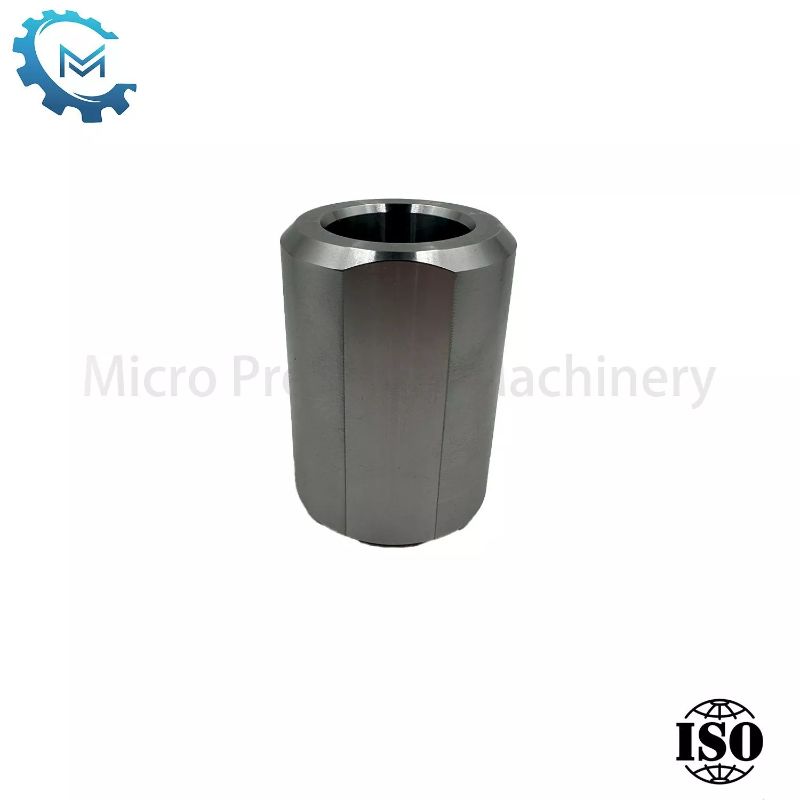
Hydraulic bushings, often referred to as "pistons" or "shrouds," play multiple key roles in hydraulic equipment:
1. Stability support under extreme loads: As the start or end point of the cylinder mounting distance, it provides a solid support point for heavy equipment, ensuring the system remains stable and reliable under complex stress environments.
2. High-precision positioning reference: In equipment requiring precise position control, such as lifting platforms, the precise positioning function provided by the bushing (internal/outer diameter tolerances up to H9 grade) directly affects the running trajectory of the robotic arm or hydraulic rod.
3. Structural Protection and Impact Resistance: High-quality bushings effectively absorb vibrations, preventing direct damage to the hydraulic cylinder from external impacts and significantly extending the maintenance cycle of expensive core components.
Technical Aspects: Precision Machining is Key
According to mainstream industry standards (such as ISO 2768-mK), the manufacturing of high-performance Hydraulic Bushings has entered the "micron era."
1. Machining Process: High-precision four-axis machine tools are used, along with customized non-standard cutting tools, ensuring the coaxiality and surface finish of the valve bores. This extremely high process requirement significantly reduces operating resistance and avoids localized overheating.
2. Material Selection: * High-strength Carbon Steel: Balancing economy and basic durability, suitable for conventional operating environments.
3. Alloy Steel: Possessing excellent toughness and strength, it can withstand the enormous pressure and impact under harsh working conditions, making it the first choice for high-end engineering machinery.
Why is selection so important now?
As global supply chains increasingly demand lean manufacturing, mechanical misalignment or abnormal wear caused by inferior bushings has become a major cause of unplanned downtime.
It is recommended that when purchasing hydraulic bushings, one should not only focus on dimensional matching. Within the standard range of ID 25-120mm and OD 50-150mm, even small deviations in coaxiality can amplify wear exponentially over long-term operation. Choosing products that support customized tolerances and have precision machining backing is key to reducing long-term operating costs.
Conclusion
While hydraulic bushings may appear structurally simple, their supporting, positioning, and protective functions in hydraulic systems are irreplaceable. For hydraulic equipment manufacturers pursuing high performance, investing in high-quality alloy steel bushings is not only choosing to upgrade components but also choosing long-term competitiveness for their equipment.