- English
- Español
- Português
- русский
- Français
- 日本語
- Deutsch
- tiếng Việt
- Italiano
- Nederlands
- ภาษาไทย
- Polski
- 한국어
- Svenska
- magyar
- Malay
- বাংলা ভাষার
- Dansk
- Suomi
- हिन्दी
- Pilipino
- Türkçe
- Gaeilge
- العربية
- Indonesia
- Norsk
- تمل
- český
- ελληνικά
- український
- Javanese
- فارسی
- தமிழ்
- తెలుగు
- नेपाली
- Burmese
- български
- ລາວ
- Latine
- Қазақша
- Euskal
- Azərbaycan
- Slovenský jazyk
- Македонски
- Lietuvos
- Eesti Keel
- Română
- Slovenski
- मराठी
- Srpski језик

Why Do Hydraulic Cylinders for Marine Engineering Fail So Often?
Marine systems are unforgiving. Salt spray, shock loads, long duty cycles, and tight maintenance windows turn “ordinary” hydraulics into a downtime lottery. This article breaks down the most common failure drivers in Hydraulic Cylinders for Marine Engineering, how to prevent them, and how to choose the right cylinder design and supplier for safer, longer service life.
Abstract
This guide focuses on real-world customer pain points in Hydraulic Cylinders for Marine Engineering: corrosion, seal damage, contamination, side-loading, pressure spikes, and slow troubleshooting at sea. You’ll learn practical specification tips (materials, coatings, seals, mounting, cushioning), maintenance habits that prevent repeat failures, and a simple selection checklist. You’ll also see a solution table mapping common problems to design features that reduce risk and total cost of ownership.
Table of Contents
- Outline
- Where Marine Cylinders Are Used
- Top Pain Points Customers Face
- Problem-to-Solution Table
- Design & Specification Choices That Matter
- Maintenance That Actually Prevents Downtime
- How to Evaluate a Cylinder Supplier
- FAQ
- Next Steps
Outline
- Understand marine applications and load profiles
- Identify the failure modes that drive repeat breakdowns
- Match pain points to design features (materials, seals, coatings, mounts)
- Apply a practical selection checklist for new builds or replacements
- Use maintenance habits that reduce surprises offshore
- Pick a supplier that can prove quality and support your timeline
Where Marine Cylinders Are Used
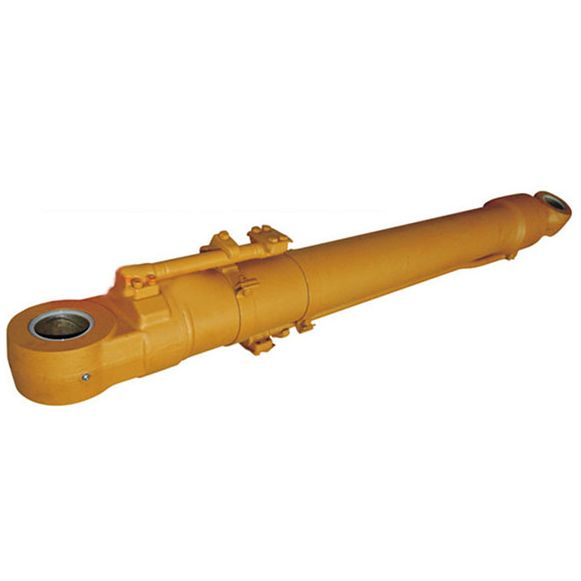
In Hydraulic Cylinders for Marine Engineering, “application” isn’t just a label—it’s the difference between a cylinder that survives and one that becomes a recurring spare-parts bill. Typical marine uses include:
- Deck machinery: cranes, davits, winches, capstans, and A-frames
- Hatch covers & doors: opening/closing systems with high shock loads
- Steering & rudder systems: demanding reliability and tight leakage control
- Offshore & nearshore platforms: positioning, jacking, and handling systems
- Subsea and splash-zone equipment: corrosion, ingress, and abrasive exposure
If your cylinder sees intermittent loads, long idle periods, or frequent “end-of-stroke” impacts, you’ll want different features than a cylinder that cycles smoothly all day.
Top Pain Points Customers Face
- Corrosion that starts small and ends expensive: pitting on rods, rust under paint, and galvanic corrosion at fittings.
- Seal failures that look “random”: swelling, nicks, extrusion, or hardening from heat and incompatible fluids.
- Contamination you can’t see: salt ingress, water in oil, varnish, and abrasive particles accelerating wear.
- Side-load and misalignment: bent rods, uneven bushing wear, and premature leakage.
- Pressure spikes and shock loads: cracked ports, blown seals, or damaged piston assemblies.
- Hard troubleshooting offshore: limited tools, limited spares, and high cost per hour of downtime.
Most “mystery failures” are actually the same few root causes repeating—often because the cylinder was selected by bore and stroke alone, while the marine environment quietly did the rest.
Problem-to-Solution Table
| Customer Pain Point | Design Feature to Ask For | Practical Outcome |
|---|---|---|
| Rod rust / pitting in salt spray | Enhanced rod protection (marine-grade coatings, corrosion-resistant materials) | Longer seal life and reduced scoring |
| Frequent seal leaks | Seal set matched to fluid, temperature, and pressure spikes; better wipers | Lower leakage risk and fewer emergency rebuilds |
| Water ingress / milky oil | Upgraded wipers, breathers, and corrosion-resistant ports | Less internal corrosion and wear |
| Bent rods / uneven wear | Correct mounting style + guidance; stronger bearings for side-load | Reduced misalignment damage and longer bushing life |
| End-of-stroke impacts | Cushioning options or external shock mitigation | Lower peak stress and fewer cracked components |
| Slow fault diagnosis | Optional position sensing or clear test points | Faster troubleshooting and safer operation |
Design & Specification Choices That Matter
When engineers talk about Hydraulic Cylinders for Marine Engineering, the smartest conversations start with environment and duty cycle—then move to the hardware details that prevent repeat failures.
- Rod protection and surface durability: If the rod surface is compromised, seals don’t stand a chance. Ask about corrosion resistance appropriate for splash zones and salt fog exposure.
- Seal and wiper system: Wipers aren’t an afterthought in marine service—they’re your first line of defense. Specify wipers that handle moisture and fine abrasive grit, and seal materials that match your hydraulic fluid and temperature range.
- Mounting and alignment: A cylinder can be “strong enough” and still fail early if the mount style forces side-load. Match the mount to the motion path, and confirm pin sizes, bearing lengths, and misalignment allowances.
- Pressure rating versus real pressure events: Marine systems often see spikes from wave action, sudden load changes, or valve dynamics. Build margin for transient events, not only steady-state pressure.
- Cushioning and shock management: If your cylinder hits the end of stroke like a hammer, internal cushioning or system-level damping can protect seals, mounts, and structures.
- Paint, plating, and exposed hardware: Coatings must handle salt exposure and maintenance reality (scratches happen). Also consider corrosion-resistant fasteners and fittings to reduce galvanic surprises.
- Serviceability: In marine work, easy inspection and predictable rebuilds matter. Designs that simplify seal replacement and reduce special tooling can cut outage time dramatically.
If you’re replacing an existing cylinder, don’t just match dimensions. Capture the failure history (leak location, rod condition, oil cleanliness, mounting wear) and adjust the specification so the next cylinder solves the real problem.
A Simple Selection Checklist
- Application: What does it move, how often, and under what shocks?
- Environment: indoor engine room, open deck, splash zone, or near-submerged?
- Load & stroke: actual load range, side-load risk, and required stroke with safety margin
- Speed & duty cycle: cycle frequency, dwell time, and heat expectations
- Pressure profile: steady pressure plus expected spikes and relief settings
- Mounting: clevis/trunnion/flange options matched to motion path
- Rod & sealing: corrosion resistance, wipers, and fluid compatibility
- Maintenance reality: what can your crew inspect regularly, and what often gets missed?
Maintenance That Actually Prevents Downtime
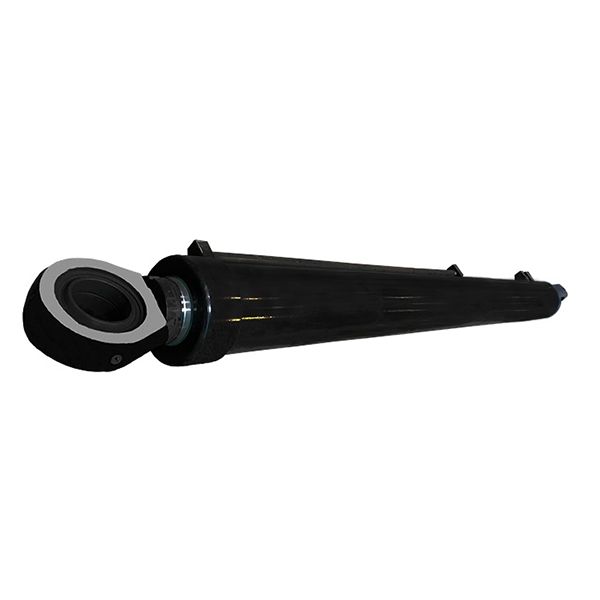
A surprising amount of cylinder life is decided by small routines. For Hydraulic Cylinders for Marine Engineering, the goal is to catch damage early—before seals and surfaces spiral into a full rebuild.
- Inspect rods for micro-rust and scratches: Early pitting is a warning sign. If you wait for leakage, you’re already late.
- Watch oil condition: Water contamination, darkened fluid, or unusual odor can signal internal wear and corrosion risk.
- Check mounts and pins: Loose pins and ovalized holes create misalignment that destroys seals and bushings.
- Protect parked cylinders: Long idle time on open deck can be harsh. Simple protective practices reduce salt exposure on rod surfaces.
- Don’t ignore “small” leaks: They often indicate wiper failure, pressure spikes, or rod surface damage—issues that snowball quickly.
If your operation is offshore or remote, consider standardizing a small set of critical spares (seal kits, wipers, pins, common fittings) to avoid a minor issue turning into a multi-day delay.
How to Evaluate a Cylinder Supplier
Buying marine cylinders isn’t only about price—it's about whether the supplier can consistently deliver the details that prevent failures. When speaking with a manufacturer such as Qingdao Micro Precision Machinery Co., Ltd., here are practical questions that reveal capability:
- Can you confirm material traceability for key parts? Rods, tubes, and critical components should be consistent from batch to batch.
- What testing is performed before shipment? Pressure testing, leakage checks, and dimensional verification reduce surprises on installation.
- How do you recommend sealing for my fluid and environment? A good supplier asks questions, not just accepts a drawing.
- What lead time and documentation can you support? Marine projects often need predictable delivery and clear drawings/specs.
- Can you support customization without losing reliability? Ports, mounts, sensors, and coatings often require tailored solutions.
A supplier who helps you translate “what went wrong last time” into a better specification is usually worth more than a supplier who simply matches a part number.
FAQ
Q: What makes marine hydraulic cylinders different from standard industrial cylinders?
A: Marine cylinders typically face salt exposure, moisture ingress, shock loads, and long idle periods. That combination puts extra pressure on rod protection, sealing/wiper design, coatings, and mounting alignment.
Q: Why do seals fail even when pressure is “within the rating”?
A: Ratings often describe steady conditions. Real systems may include spikes, side-load, contamination, temperature swings, or rod surface damage—all of which can shorten seal life quickly.
Q: Should I prioritize corrosion resistance or load capacity?
A: In marine service, you usually need both. A strong cylinder that corrodes will leak, and a corrosion-resistant cylinder that’s under-designed will deform. The right balance depends on location (deck vs. protected area), duty cycle, and shock profile.
Q: How do I reduce unexpected downtime with existing cylinders?
A: Track repeat symptoms (rod marks, leak points, mount wear), improve oil cleanliness checks, and standardize inspection routines. Often, small upgrades—better wipers, improved rod protection, corrected mounting—create the biggest reliability jump.
Q: What information should I provide for a fast quotation or replacement?
A: Bore, rod diameter, stroke, closed/open length, mounting type, working pressure, port type/size, application description, environment (splash zone or not), and any known failure history.
Next Steps
If you’re tired of repeat leaks, rod corrosion, or “it failed again” rebuild cycles, the fastest path forward is a smarter specification based on your real operating conditions. Share your cylinder dimensions, application, pressure profile, and failure symptoms, and we can help identify the most effective upgrades for your Hydraulic Cylinders for Marine Engineering.
For tailored recommendations and a quick quotation from Qingdao Micro Precision Machinery Co., Ltd., contact us today and tell us where the cylinder is used, what failed before, and what reliability target you need—we’ll respond with practical options you can implement immediately.