- English
- Español
- Português
- русский
- Français
- 日本語
- Deutsch
- tiếng Việt
- Italiano
- Nederlands
- ภาษาไทย
- Polski
- 한국어
- Svenska
- magyar
- Malay
- বাংলা ভাষার
- Dansk
- Suomi
- हिन्दी
- Pilipino
- Türkçe
- Gaeilge
- العربية
- Indonesia
- Norsk
- تمل
- český
- ελληνικά
- український
- Javanese
- فارسی
- தமிழ்
- తెలుగు
- नेपाली
- Burmese
- български
- ລາວ
- Latine
- Қазақша
- Euskal
- Azərbaycan
- Slovenský jazyk
- Македонски
- Lietuvos
- Eesti Keel
- Română
- Slovenski
- मराठी
- Srpski језик

How Do Hydraulic Seals Prevent Downtime in Real-World Hydraulic Systems?
Abstract
When a hydraulic system starts losing pressure, leaking oil, overheating, or drifting under load, the root cause is often smaller than you think: the sealing system. Hydraulic Seals do more than “stop leaks”—they protect efficiency, stabilize motion, and extend component life in hydraulic cylinders, pumps, and valves. This article breaks down the most common failure patterns buyers face, how to select the right seal types and materials, what installation mistakes quietly destroy performance, and how to set practical quality expectations when sourcing. If you want fewer returns, fewer emergency repairs, and more predictable service intervals, start here.
Contents
- Outline
- What Problems Do Hydraulic Seals Solve?
- Which Hydraulic Seals Matter Most?
- How Do You Choose the Right Hydraulic Seals?
- Which Materials Perform Best and When?
- What Installation and Handling Mistakes Cause Early Failure?
- How Do You Troubleshoot Leaks, Drift, and Wear?
- What Should You Expect From a Reliable Supplier?
- FAQ
Outline
- Connect seal performance to buyer pain points: downtime, leakage, pressure loss, inconsistent motion.
- Explain seal roles by location: rod, piston, wiper, static, guiding and anti-extrusion.
- Provide a practical selection checklist: media, pressure, speed, temperature, surface finish, groove design.
- Compare common materials with strengths and limitations using a decision table.
- Share installation/handling practices that reduce early failures.
- Offer a troubleshooting map from symptom to likely root causes.
- Define what “good sourcing” looks like: documentation, consistency, traceability, testing mindset.
What Problems Do Hydraulic Seals Solve?
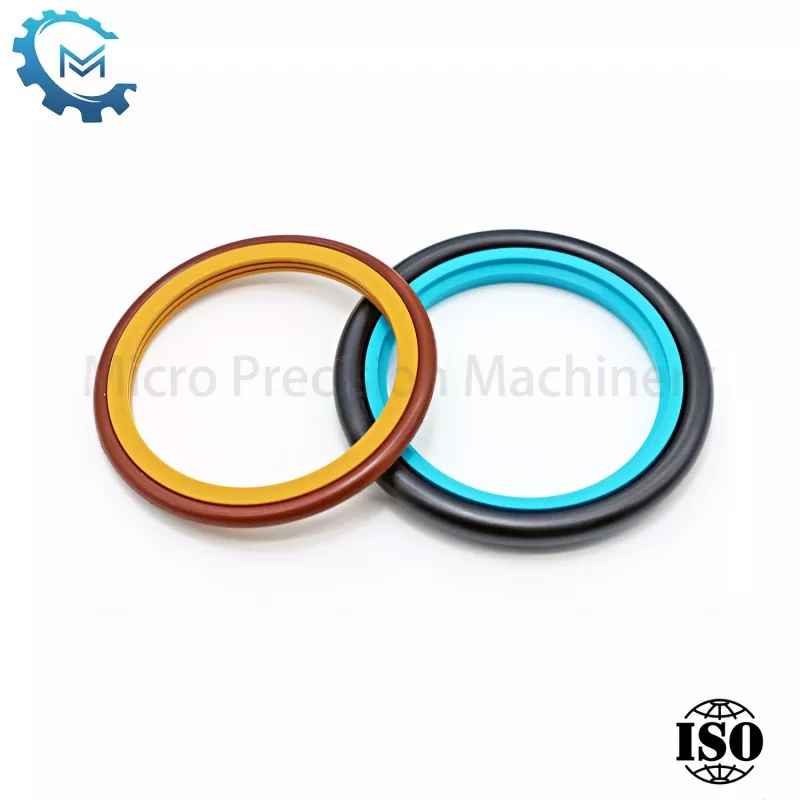
Buyers rarely shop for Hydraulic Seals because it’s fun—they do it because something hurts: oil leaks, messy equipment, unstable cylinder motion, pressure drop, or frequent service calls. A seal system is essentially a “control layer” that keeps fluid where it belongs, blocks contamination, and maintains smooth movement under load.
- Leakage control: External leaks waste fluid, attract dust, create safety hazards, and can violate site regulations.
- Pressure retention: Internal leakage (bypass) reduces force output and causes drifting or weak actuation.
- Wear protection: A good sealing package reduces scoring and protects expensive rod/cylinder surfaces.
- Contamination defense: Wipers and scrapers stop abrasive particles from entering and destroying the system.
- Energy efficiency: Correct friction balance improves responsiveness and reduces heat buildup.
In many hydraulic cylinders, it’s not the metal that fails first—it’s the sealing interface. Choosing the right Hydraulic Seals can be the difference between planned maintenance and surprise downtime.
Which Hydraulic Seals Matter Most?
Not all Hydraulic Seals do the same job. A “seal set” usually combines multiple elements that work together: dynamic seals (moving), static seals (fixed), and protective components.
| Seal / Component | Typical Location | Main Job | Common Failure Symptom |
|---|---|---|---|
| Rod seal | Cylinder head (rod side) | Stop fluid from escaping during rod motion | External leak at rod |
| Piston seal | On piston | Separate pressure chambers, prevent bypass | Drift, weak force, slow response |
| Wiper / scraper | Outer head | Block dirt, grit, moisture from entering | Rod scoring, accelerated wear |
| Static seal (O-ring, gasket) | Ports, end caps, fittings | Seal between non-moving parts | Seepage at joints |
| Wear ring / guide ring | Piston or rod guide area | Maintain alignment, reduce metal-to-metal contact | Side-load wear, uneven seal damage |
| Backup ring | With O-rings in high pressure | Prevent extrusion into clearance gaps | Nibbled edges, sudden leak after pressure spikes |
If you’re diagnosing field issues, a quick shortcut is to ask: “Is it leaking outside, or bypassing inside?” Rod seals and wipers often relate to external leakage and contamination; piston seals relate to drift and lost force.
How Do You Choose the Right Hydraulic Seals?
Selecting Hydraulic Seals isn’t about picking the “best” material on paper—it’s about matching the seal system to your real operating conditions. The same cylinder can behave very differently in a clean indoor line versus a dusty, hot outdoor environment.
Use This Practical Selection Checklist
- Fluid media: Mineral oil, biodegradable oils, water-glycol, phosphate ester—compatibility matters.
- Pressure range: Continuous pressure and peak spikes (shock loads can destroy a borderline choice).
- Temperature: Ambient + fluid temperature + heat from friction.
- Speed and duty cycle: Higher speed increases heat and wear; low-speed can increase stick-slip risk.
- Contamination level: Dust, sand, metal particles—this decides how aggressive your wiper strategy must be.
- Surface finish and hardness: Rod/piston finish can make a great seal fail early.
- Groove design and clearance gaps: Poor groove geometry can cause extrusion, twisting, or uneven loading.
- Side load and misalignment: If side load exists, guide rings and wear bands become critical.
Buyer Tip That Prevents Repeat Orders for the Wrong Reason
If you only copy an old part number without confirming pressure spikes, fluid type changes, or surface finish differences, you might “match” the old seal but still repeat the same failure. Better approach: treat Hydraulic Seals as a system upgrade opportunity—especially if the equipment use case changed.
Which Materials Perform Best and When?
Material choice is where many seal problems begin. Each material has trade-offs between wear resistance, low friction, temperature performance, and chemical compatibility. Below is a decision-oriented comparison you can use when specifying Hydraulic Seals.
| Material | Strengths | Watch Outs | Typical Use |
|---|---|---|---|
| NBR (Nitrile) | Cost-effective, good with mineral oils, widely available | Limited high-temperature performance vs premium elastomers | General-purpose O-rings, static seals |
| PU (Polyurethane) | Excellent wear resistance, strong extrusion resistance | Heat build-up at high speed; hydrolysis risk in some conditions | Rod seals, wipers, heavy-duty dynamic seals |
| PTFE (Filled) | Low friction, great chemical resistance, stable at temperature | Needs correct energizer/design; can leak if not properly loaded | Piston seals, high-performance rod seals |
| FKM (Fluoroelastomer) | High temperature and chemical resistance | Not ideal for some fluids; higher cost | Hot environments, demanding chemical exposure |
| Fabric / phenolic wear rings | Strong guiding, reduces metal contact, handles side load | Must match clearance and lubrication conditions | Guide rings, wear bands |
The “best” choice depends on what you’re optimizing for: lower friction (PTFE solutions), maximum wear resistance (PU), or heat/chemical durability (FKM). In many cases, the highest-performing Hydraulic Seals are mixed-material systems: one component handles friction, another handles guidance, and another blocks contamination.
What Installation and Handling Mistakes Cause Early Failure?
A surprising number of premature failures happen after the seal leaves the factory. Even excellent Hydraulic Seals can fail quickly if the installation and handling are careless.
Top Mistakes That Quietly Shorten Seal Life
- Sharp edges and burrs: A single burr can slice a lip seal during assembly—then the leak shows up “mysteriously” later.
- Dry assembly: Installing without correct lubrication increases friction and can burn the sealing edge early.
- Twisting O-rings: Twists can create spiraling leaks, uneven compression, and early cracking.
- Incorrect tool usage: Metal tools can nick sealing surfaces; use proper sleeves and soft tools when possible.
- Wrong orientation: Lip seals installed backwards often look fine visually but fail under pressure.
- Contaminated assembly area: Dust introduced during assembly becomes abrasive from day one.
Simple Practices That Raise Success Rates
- Deburr grooves and edges; use lead-in chamfers and installation sleeves.
- Confirm surface finish requirements for rod and bore (especially for high-performance sealing systems).
- Use compatible assembly lubricants and keep parts clean.
- After assembly, run a controlled break-in cycle to stabilize friction and seating.
How Do You Troubleshoot Leaks, Drift, and Wear?
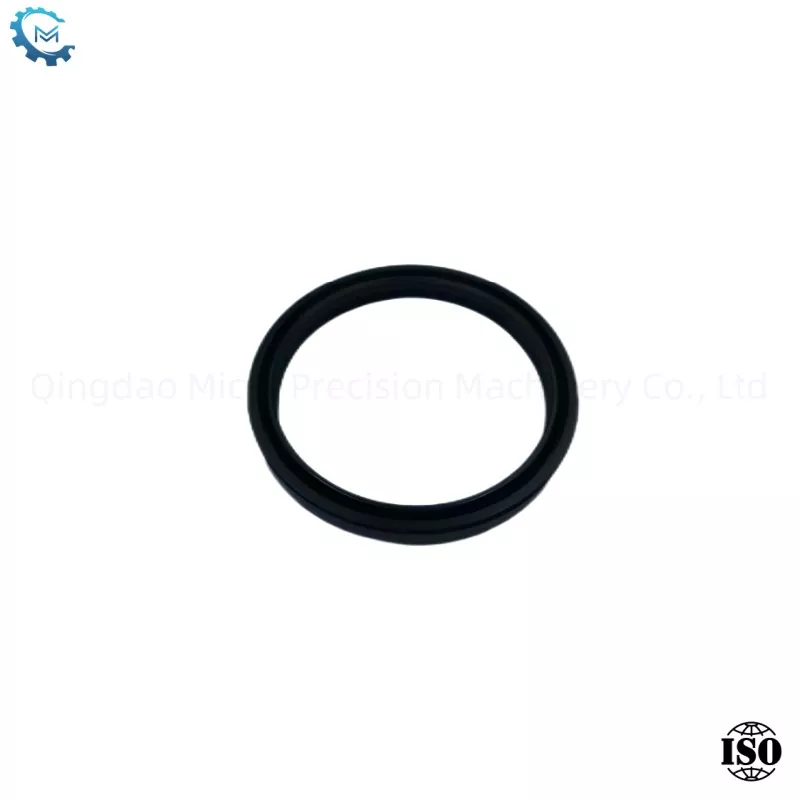
When a customer says “the seal failed,” they’re usually describing a symptom. The best response is to map symptoms to likely causes, then validate with inspection. Here’s a field-friendly guide for Hydraulic Seals.
| Symptom | Likely Causes | What to Check First |
|---|---|---|
| Leak at rod (external) | Rod seal wear, damaged lip, incorrect material, rod surface damage | Rod finish, scoring, seal lip condition, contamination level |
| Cylinder drift / weak holding | Piston seal bypass, seal shrink, groove mismatch | Internal leakage test, piston seal wear pattern, clearance |
| Fast wear and black debris | Abrasive contamination, poor wiper performance, misalignment | Wiper condition, guide rings, side load evidence |
| Nibbled seal edges | Extrusion under pressure spikes, gap too large, missing backup ring | Clearance, backup ring presence, peak pressure history |
| Stick-slip / jerky motion | Friction too high, wrong material, poor lubrication, surface issues | Material choice, lubrication, rod finish, temperature |
Practical rule: if you see scoring on the rod, don’t just replace the rod seal—fix the contamination path and guiding problem too. Otherwise, you’re buying the same Hydraulic Seals again for the same failure.
What Should You Expect From a Reliable Supplier?
Sourcing Hydraulic Seals is not only about price—it’s about consistency. In many industries, the hidden cost is not the seal itself, but the labor and downtime attached to each replacement. That’s why many buyers look for suppliers who can support stable quality, repeatability, and practical technical communication.
Qingdao Micro Precision Machinery Co., Ltd. supports customers who need dependable sealing solutions for hydraulic applications where stability matters—especially when equipment runs in harsh environments or under fluctuating loads. A capable supplier should help you confirm application details, avoid mismatched materials, and reduce avoidable failures caused by installation or groove design issues.
What “Good Support” Looks Like in Real Purchasing
- Clear specifications: Dimensions, tolerances, and material options that match the application, not just a generic catalog pick.
- Consistency across batches: Stable material properties and process control, so performance doesn’t drift over time.
- Application-minded guidance: Pressure spikes, temperature swings, and contamination reality are taken seriously.
- Packaging and storage advice: Seals protected from UV, dust, and deformation before they ever reach the machine.
If you’re comparing suppliers, ask yourself one question: will this partner help prevent problems, or only react after you’ve had a failure? The best Hydraulic Seals purchase is the one that never becomes an emergency.
FAQ
-
Q: How often should Hydraulic Seals be replaced?
A: There isn’t one fixed interval. Replacement depends on pressure, contamination, duty cycle, and rod/bore condition. If you see recurring leaks earlier than expected, inspect surface finish, guiding, and contamination control—not just the seal material. -
Q: What causes a new seal to leak right after installation?
A: Common causes include damaged lips from burrs, incorrect orientation, dry installation, twisted O-rings, or contamination introduced during assembly. Groove geometry mismatches can also prevent proper sealing even if the part “fits.” -
Q: Are PU seals always better than rubber seals?
A: PU often offers superior wear resistance for dynamic sealing, but it’s not automatically best for every fluid, speed, or temperature. Material choice should follow operating conditions and friction/heat expectations. -
Q: Why does my cylinder drift even when there is no external leak?
A: Drift is usually internal bypass across the piston seal. Check piston seal wear, clearance, and whether the seal design provides enough energizing under low pressure. -
Q: What is seal extrusion and how do I prevent it?
A: Extrusion happens when a seal is forced into a clearance gap under high pressure, causing “nibbled” edges and sudden leakage. Prevention includes correct clearances, backup rings where needed, and choosing materials designed for high-pressure resistance. -
Q: Can Hydraulic Seals reduce energy consumption?
A: Yes. Optimized seal systems can reduce friction and heat, improve responsiveness, and keep pressure stable—especially in high-duty equipment where inefficiencies add up. -
Q: What information should I provide to get the right seal recommendation?
A: Share cylinder type, rod/bore sizes, pressure range (including spikes), fluid type, temperature range, speed, contamination exposure, and any known surface finish or hardness details. That context is often the difference between an “okay” seal and a long-lasting one. -
Q: What is the simplest way to extend seal life in harsh environments?
A: Upgrade contamination control: effective wipers, clean assembly, and proper filtration. Abrasive ingress is one of the fastest ways to shorten the life of even premium Hydraulic Seals.
Conclusion
The most expensive Hydraulic Seals are the ones you replace too often. If you want predictable performance, focus on the full picture: seal function by location, material compatibility, groove and surface conditions, contamination control, and correct installation. When these pieces align, leakage drops, drift improves, and downtime becomes something you schedule—not something that surprises you.
If you’re specifying seals for new hydraulic equipment or trying to stop repeat failures in the field, Qingdao Micro Precision Machinery Co., Ltd. can help you match the right sealing approach to your operating conditions—so your system runs cleaner, steadier, and longer. Ready to reduce failures and stabilize performance? Contact us to discuss your application and seal requirements.