- English
- Español
- Português
- русский
- Français
- 日本語
- Deutsch
- tiếng Việt
- Italiano
- Nederlands
- ภาษาไทย
- Polski
- 한국어
- Svenska
- magyar
- Malay
- বাংলা ভাষার
- Dansk
- Suomi
- हिन्दी
- Pilipino
- Türkçe
- Gaeilge
- العربية
- Indonesia
- Norsk
- تمل
- český
- ελληνικά
- український
- Javanese
- فارسی
- தமிழ்
- తెలుగు
- नेपाली
- Burmese
- български
- ລາວ
- Latine
- Қазақша
- Euskal
- Azərbaycan
- Slovenský jazyk
- Македонски
- Lietuvos
- Eesti Keel
- Română
- Slovenski
- मराठी
- Srpski језик

Why Are Hydraulic Cylinder Production Accessories the Hidden Key to Durable Cylinders?
Abstract
If your cylinders leak early, drift under load, fail pressure tests, or arrive late with “minor” fitment issues that stall assembly, the root cause is often not the cylinder design itself—but the details of Hydraulic Cylinder Production Accessories. These accessories are the parts and interfaces that quietly decide sealing performance, alignment, wear life, and how smoothly your production line runs. In this guide, I’ll break down what these accessories include, the buyer pain points they solve, the specs you should lock down to avoid rework, and the quality checks that separate “looks fine” from “runs for years.” You’ll also get practical tables, checklists, and a troubleshooting map you can use immediately.
Table of Contents
- The buyer pain points that keep repeating
- What Hydraulic Cylinder Production Accessories usually include
- Where failures really start in real-world builds
- A selection checklist that prevents rework
- Quality control steps that protect your line
- Downtime economics and why “cheaper” can cost more
- How to vet a supplier without guessing
- Troubleshooting table you can use today
- FAQ
- Final takeaway
Outline
- Define the most common buyer frustrations and why they happen
- Clarify the accessory categories that influence sealing, alignment, and service life
- Show how tolerance, finish, materials, and contamination create hidden failure paths
- Provide a practical, spec-driven checklist for sourcing and engineering teams
- Lay out inspection and documentation habits that reduce surprises at assembly
- Explain total cost drivers, including downtime, warranty, and spare strategies
- Offer a supplier-vetting playbook plus a troubleshooting table and FAQs
The Buyer Pain Points That Keep Repeating
In procurement and engineering conversations, cylinder problems often get described as “random.” In reality, they’re usually systematic—caused by accessory choices that don’t match the application, the assembly process, or the fluid environment. When people say they’re sourcing Hydraulic Cylinder Production Accessories, what they’re really trying to buy is reliability.
- Early leakage from rod seals, piston seals, static O-rings, or port interfaces—often triggered by surface finish, hardness mismatch, or incorrect seal material.
- Stick-slip and poor controllability—typically a friction and alignment problem, not “bad hydraulics.”
- Pressure test failures—commonly tied to gland tolerances, end-cap interfaces, or micro-burrs on ports.
- Premature wear on rods and bushings—often caused by contamination, misalignment, or incorrect bearing materials.
- Inconsistent assembly yield—your line slows down because parts “almost fit,” forcing hand rework.
- Long lead times for spares—which turns a small failure into an operational outage.
The good news: these aren’t mysterious issues. If you approach Hydraulic Cylinder Production Accessories as a controlled system—interfaces, tolerances, materials, and cleanliness—you can eliminate most “surprises.”
What Hydraulic Cylinder Production Accessories Usually Include
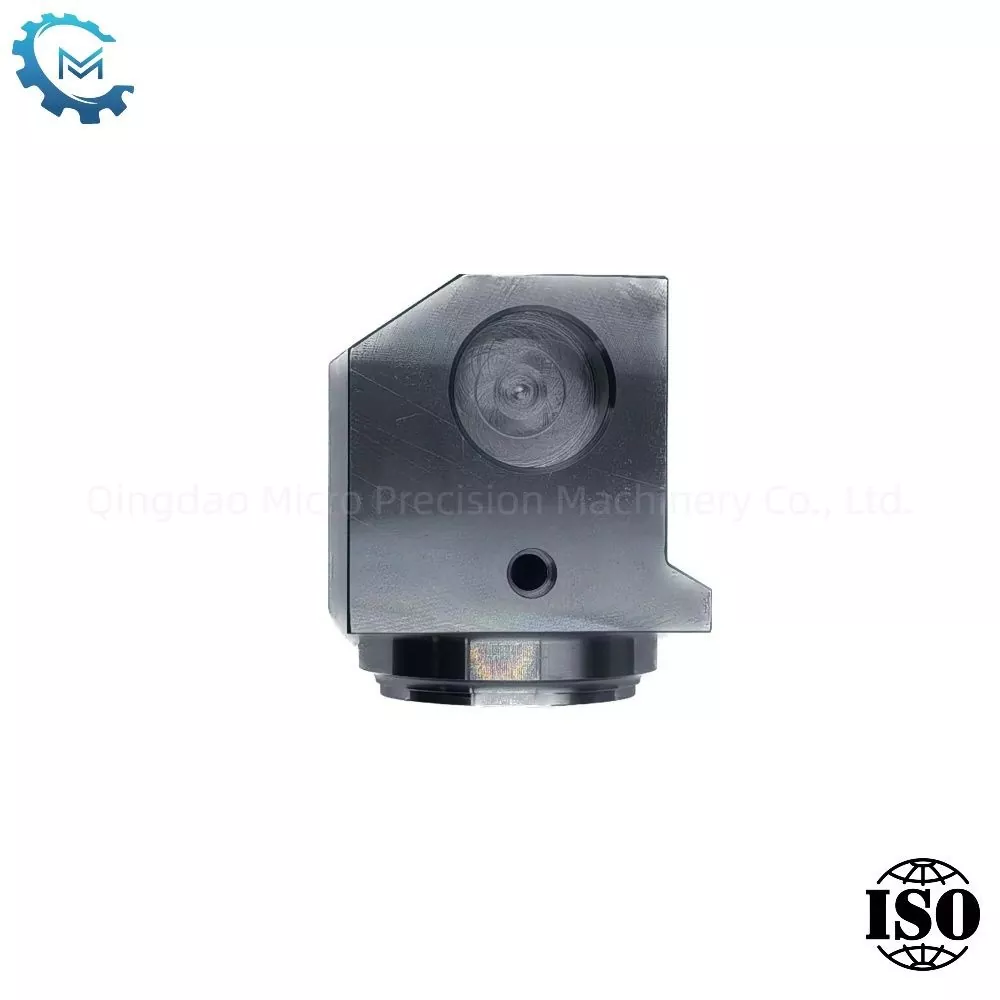
Different factories label accessories differently, but the practical scope is consistent: components and interfaces that enable sealing, guidance, mounting, and fluid connection. Think of them as the cylinder’s “supporting cast” that determines whether the hero survives the story.
| Accessory category | What it influences | Buyer should confirm |
|---|---|---|
| Seals and seal kits | Leak tightness, friction, temperature tolerance | Media compatibility, pressure, speed, temperature, seal profile |
| Wear rings and guide bushings | Side-load capacity, alignment, stick-slip risk | Material type, clearance targets, contamination tolerance |
| Rod and piston components | Wear life, corrosion resistance, seal wear | Surface finish, hardness, plating/coating, straightness |
| Gland, end cap, and locking elements | Structural integrity, static sealing, serviceability | Thread spec, torque guidance, retention method, sealing grooves |
| Ports, fittings, and adapters | Leak risk, pressure drop, installation time | Thread standard, sealing face type, burst margin, cleanliness |
| Mounting hardware and joints | Load paths, fatigue resistance, alignment in the machine | Pin sizes, bushing fit, misalignment angle, lubrication method |
Notice what’s missing from that list: flashy marketing. Accessories are “boring” until you’re the one dealing with a leaking machine at midnight. That’s why experienced buyers treat Hydraulic Cylinder Production Accessories as a risk-management category, not a line-item category.
Where Failures Really Start in Real-World Builds
Most cylinder failures aren’t single-point problems. They’re stacks of small decisions that amplify each other. Here are the most common “hidden starts” that show up in audits and tear-downs:
- Tolerance stack-up that creates unintended squeeze on seals or too much clearance on guides. Either one increases wear fast.
- Surface finish mismatch between rod finish and seal profile. Even a small roughness change can turn a seal into sandpaper.
- Material and fluid compatibility issues. Some elastomers swell, harden, or crack depending on oil additives and temperature cycles.
- Edge conditions such as micro-burrs on grooves and ports. These can cut seals during assembly and show up later as “mysterious leaks.”
- Contamination introduced during assembly. Tiny particles can damage sealing lips and accelerate guide wear.
- Side load reality that exceeds what the guide system was designed for. A cylinder can be “rated” for pressure but still fail under misalignment.
If you’ve ever said, “But it passed the bench test,” this is usually why. The bench test rarely reproduces the full heat, side-load, vibration, contamination, and duty cycle that your machine creates. Robust Hydraulic Cylinder Production Accessories are what bridge that gap.
A Practical Selection Checklist That Prevents Rework
Here’s a simple way to stop accessory sourcing from turning into a guessing game. Use this checklist during quoting, prototyping, and pre-production approval. You’ll notice it’s focused on decisions that prevent line stoppages and warranty loops.
- Define the operating envelope including pressure peaks, temperature range, stroke speed, duty cycle, and environment (dust, salt spray, washdown, outdoor UV).
- Lock down rod requirements including straightness limits, surface finish expectations, corrosion strategy (coating/plating), and hardness targets.
- Choose seal materials by fluid and heat rather than “standard kit.” Confirm static and dynamic seals separately.
- Specify guidance strategy for side loads (wear rings, bushings, length, materials). If your mechanism can misalign, plan for it explicitly.
- Confirm port and thread standards early. Thread confusion is one of the fastest ways to create scrap and field leaks.
- Plan assembly friendliness by calling out lead-in chamfers, burr control, and seal installation method. A “perfect” design can still be painful to build.
- Decide what documentation you need such as material traceability, inspection records, and pressure test expectations.
When you run sourcing this way, Hydraulic Cylinder Production Accessories stop being “extra parts” and become a controlled specification that protects yield.
Quality Control Steps That Protect Your Line
Quality isn’t only about inspection—it’s about reducing variation before parts ever hit your assembly station. Here are practical controls that consistently improve outcomes:
- Incoming inspection matched to risk by checking critical-to-function dimensions (seal grooves, gland diameters, rod finish zones) more tightly than cosmetic features.
- Surface and edge control by verifying burr removal and lead-in features, especially anywhere a seal might slide during installation.
- Cleanliness handling including controlled storage for seal kits, capped ports, and clean assembly workflow to reduce particle entry.
- Fit-and-function sampling by building sample units using production tooling, not “hand-picked” prototype parts.
- Pressure and drift testing that mirrors your operating reality: include temperature soak when applicable, and test at meaningful dwell times.
- Feedback loop between production and sourcing so recurring defects trigger spec updates, not repetitive firefighting.
A quick rule of thumb: the more your application punishes seals (heat, speed, contamination), the more your accessory controls matter. That’s the difference between a cylinder that merely “works today” and one that keeps working in month 18.
Downtime Economics and Why “Cheaper” Can Cost More
When a buyer is pressured to reduce cost, accessories are often the first target. The problem is that accessory “savings” can create expensive failure modes: rework, scrap, warranty claims, field service, and production stoppages.
| Decision | Short-term effect | Common hidden cost |
|---|---|---|
| Lower-grade seal material | Lower unit cost | Early leaks, higher friction, more warranty returns |
| Looser tolerances on gland/grooves | Faster machining, cheaper quoting | Assembly yield loss, inconsistent test results, unpredictable wear |
| No cleanliness controls on ports | Simpler packing | Particle damage, seal scoring, premature guide wear |
| Under-designed guidance for side loads | Fewer components | Rod scoring, uneven wear, sticking, field failure |
The goal isn’t to over-spec everything. It’s to align accessory capability with your true working conditions. That is the most direct way to keep Hydraulic Cylinder Production Accessories from becoming an unplanned expense.
How to Vet a Supplier Without Guessing
A good supplier relationship feels calm: fewer emergencies, clearer specs, predictable deliveries, and honest feedback when something needs to change. Whether you’re evaluating a new partner or reviewing an existing one, here are questions that quickly reveal capability.
- Can you describe your inspection flow? Ask what is measured, at what frequency, and how results are recorded.
- How do you control burrs and edge conditions? This is where seal damage is born.
- What happens if a spec is unclear? Good suppliers clarify early rather than “making it work.”
- How do you handle traceability? Especially important if your cylinders go into critical equipment.
- Can you support spare planning? Ask about safety stock options, batch consistency, and lead time stability.
- Do you have application feedback? The best suppliers can talk about failure modes and prevention, not just part numbers.
If you’re already in discussion with Qingdao Micro Precision Machinery Co., Ltd., bring this list to your next call. It will help you align expectations quickly and confirm that the Hydraulic Cylinder Production Accessories you’re sourcing match your real operating conditions.
Troubleshooting Table You Can Use Today
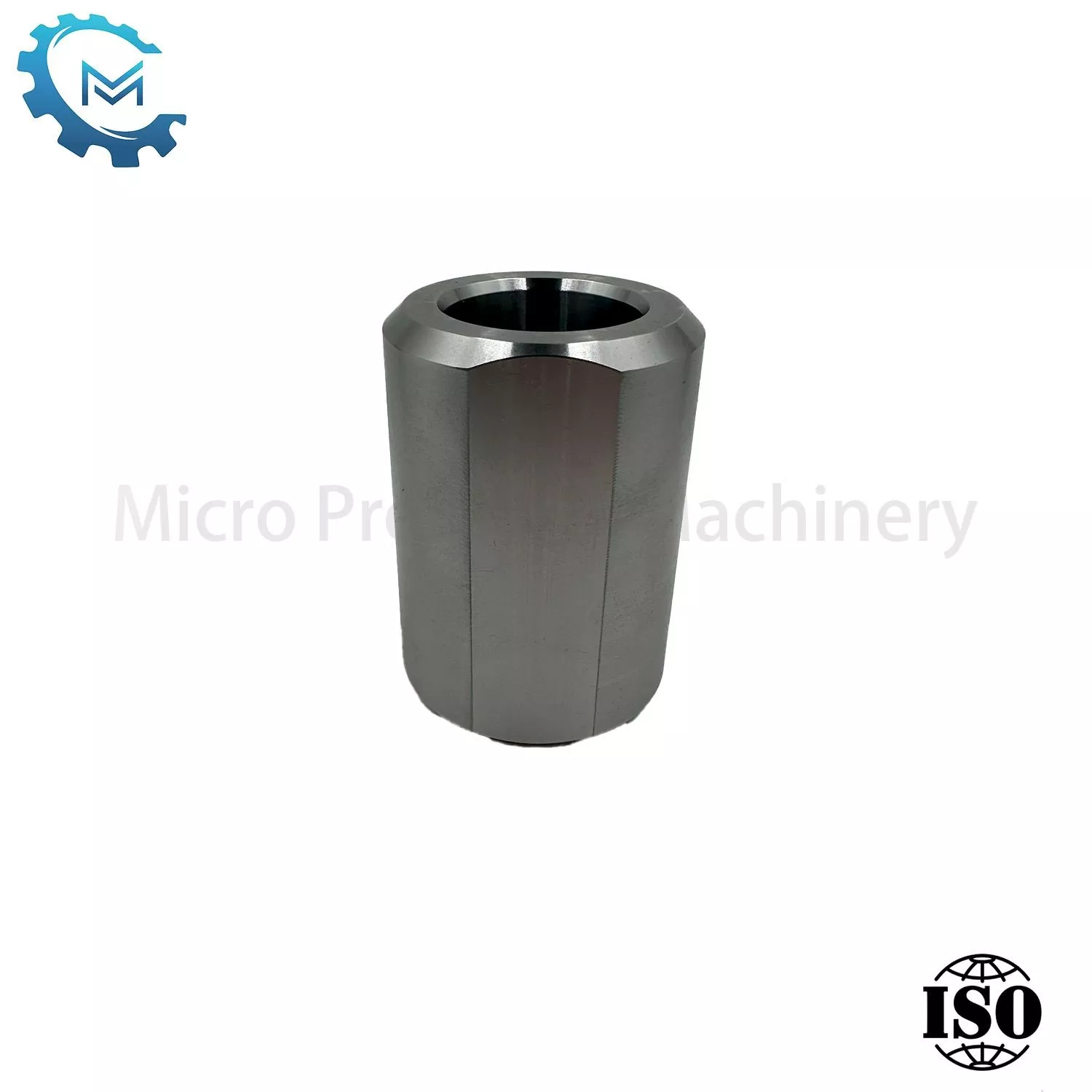
When something goes wrong, speed matters. This map links common symptoms to accessory-related causes and quick checks. It won’t replace a full root-cause analysis, but it can reduce wasted time.
| Symptom | Likely accessory culprit | Quick checks |
|---|---|---|
| Rod seal leak after short run | Seal material/profile mismatch, rod finish, contamination | Inspect rod scoring, verify finish zone, check seal lip damage and debris |
| Cylinder sticks or jerks at low speed | High friction seals, poor alignment, guide wear | Check guide clearance, verify side-load conditions, review seal selection |
| Fails pressure hold test | Static O-ring interface, gland/end-cap fit, port sealing face | Check groove geometry, burrs, torque method, thread standard |
| Rod scoring or plating damage | Contamination, misalignment, under-designed guidance | Check wiper effectiveness, cleanliness, guide material, mounting alignment |
| Frequent seal installation damage | Sharp edges, poor lead-in chamfers, incorrect tools | Inspect groove edges, verify chamfer, standardize installation process |
FAQ
- How many times should I expect to revise accessory specs during development?
- Most teams revise once or twice after prototype testing, especially for seals and guidance. The key is to treat those revisions as normal learning rather than “failures.” If you document what changed and why, your next project becomes much faster.
- Which accessory decisions have the biggest impact on leakage?
- Seal material/profile, rod surface condition, groove geometry, and contamination control. If you want a simple focus order: start with fluid and temperature compatibility, then check surface finish and edge conditions, and finally verify groove dimensions and installation method.
- What should I provide to get an accurate quote for Hydraulic Cylinder Production Accessories?
- Share the operating envelope (pressure peaks, temperature, speed), the cylinder size basics (bore/rod/stroke), your mounting constraints (side load expectations), and any special environment factors (corrosion, dust, washdown). The more you define the reality, the less “safety guessing” ends up in the quote.
- How do I reduce lead time risk without overstocking everything?
- Identify the long-lead or high-variation accessories (seal kits, custom glands/end caps, special rods/coatings) and build a targeted spare strategy around them. Pair that with stable specifications so you’re not holding parts that become obsolete after a revision.
- Can “standard” seal kits be reliable?
- Yes—when “standard” actually matches the fluid, temperature, and duty cycle. Problems happen when standard becomes a shortcut for “unknown.” If your application is harsh, validating the seal choice upfront is usually cheaper than troubleshooting later.
Final Takeaway
Strong cylinders come from strong details. When you treat Hydraulic Cylinder Production Accessories as a system—sealing, guidance, interfaces, and cleanliness—you reduce leaks, stabilize assembly yield, and protect your reputation in the field. If you want a faster, calmer sourcing process, start by tightening the specs and asking smarter questions before parts ship.
If you’re planning a new build, upgrading reliability, or trying to stop recurring leakage and rework, contact us to discuss your application and get practical recommendations tailored to your operating conditions.