- English
- Español
- Português
- русский
- Français
- 日本語
- Deutsch
- tiếng Việt
- Italiano
- Nederlands
- ภาษาไทย
- Polski
- 한국어
- Svenska
- magyar
- Malay
- বাংলা ভাষার
- Dansk
- Suomi
- हिन्दी
- Pilipino
- Türkçe
- Gaeilge
- العربية
- Indonesia
- Norsk
- تمل
- český
- ελληνικά
- український
- Javanese
- فارسی
- தமிழ்
- తెలుగు
- नेपाली
- Burmese
- български
- ລາວ
- Latine
- Қазақша
- Euskal
- Azərbaycan
- Slovenský jazyk
- Македонски
- Lietuvos
- Eesti Keel
- Română
- Slovenski
- मराठी
- Srpski језик

Why Are Machine Tool Accessories Essential for Precision Manufacturing?
Article Summary
Choosing the right Machine Tool Accessories is not a minor purchasing decision. It directly affects machining accuracy, production stability, tooling life, operator confidence, and the final cost of every part leaving the workshop. Many buyers focus on the machine itself, but real shop-floor performance often depends on the quality and compatibility of holders, collets, nuts, retention knobs, vises, sleeves, and other supporting components.
In this article, we explain the most common pain points buyers face, what to look for before ordering, how to compare accessories from a practical production perspective, and how Qingdao Micro Precision Machinery Co., Ltd. helps customers source dependable solutions for modern machining environments.
Table of Contents
- Outline
- Why do Machine Tool Accessories matter so much
- What problems do buyers usually face
- Which Machine Tool Accessories deserve the most attention
- How should you choose the right accessories
- What separates a reliable supplier from a risky one
- What business benefits can the right choice bring
- FAQ
- Contact us
Outline
- Define the role of Machine Tool Accessories in precision machining
- Identify the real production issues caused by low-quality or mismatched components
- Review key accessory categories used in CNC and general machining applications
- Provide a practical checklist for buyers, distributors, and manufacturers
- Show how a capable supplier supports long-term operational stability
Why do Machine Tool Accessories matter so much
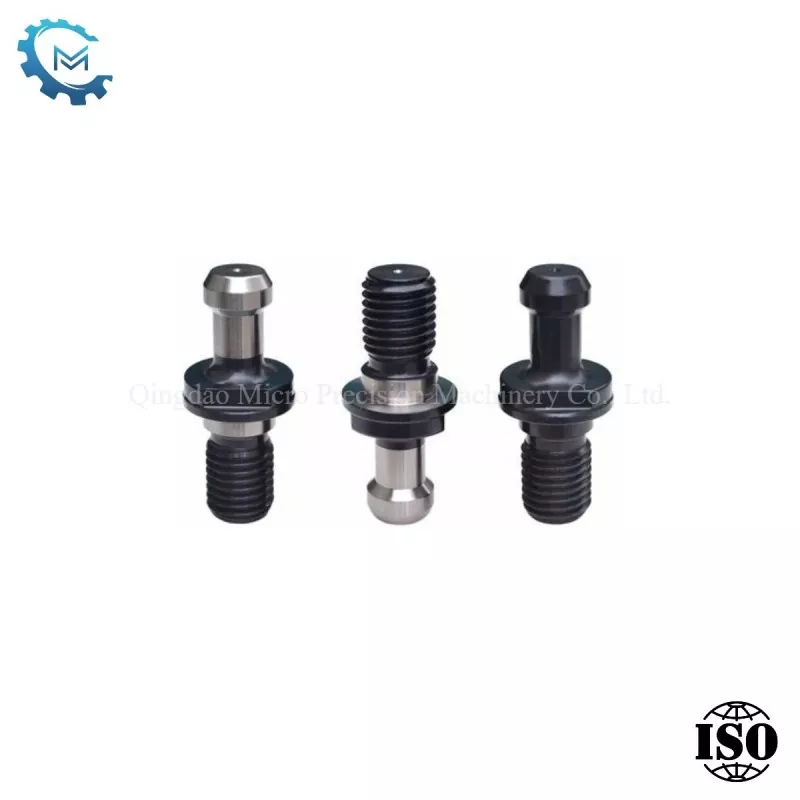
A machine tool can only perform at its best when the supporting parts around it are equally dependable. Even a high-value CNC machine can deliver unstable results if the tool holding system lacks rigidity, if the clamping force is inconsistent, or if a worn accessory introduces vibration into the cutting process. That is why Machine Tool Accessories are not just add-ons. They are part of the performance chain.
In daily production, manufacturers are under pressure to improve repeatability, shorten setup time, reduce scrap, and keep tooling costs under control. These goals are difficult to achieve when accessories are selected only on price. A poor-quality holder or collet may look acceptable at first, but once spindle speed rises and tolerance demands become tighter, the hidden weaknesses show up quickly.
Reliable accessories help maintain concentricity, secure cutting tools, support safer operation, and improve overall process consistency. They also make changeovers more efficient, which matters greatly in workshops handling mixed batches, custom parts, or shorter lead times.
What value do they create on the shop floor
- Better dimensional consistency across repeated runs
- Stronger clamping and lower risk of tool slippage
- Reduced vibration and improved surface finish
- More stable machining at higher speeds
- Lower downtime caused by premature wear or poor fit
- Greater confidence for operators and maintenance teams
What problems do buyers usually face
Many customers already know they need better Machine Tool Accessories, but their frustration comes from not knowing which issue is truly responsible for unstable production. Sometimes the problem looks like spindle error, tool wear, or operator inconsistency, when in reality the source is an unsuitable accessory.
Here are the most common buyer pain points:
| Buyer Pain Point | Typical Cause | Practical Impact |
|---|---|---|
| Unstable machining accuracy | Poor concentricity, weak clamping, dimensional inconsistency | Part rejection, rework, customer complaints |
| Frequent tool wear | Excessive runout, vibration, unreliable retention | Shorter tool life and higher consumable cost |
| Long setup time | Hard-to-match systems, poor standardization | Lower machine utilization |
| Unexpected downtime | Accessory failure, poor material quality, fitment issues | Interrupted production schedules |
| Inconsistent supply | Weak supplier management or limited production capacity | Procurement delays and inventory pressure |
| Low confidence when purchasing | Insufficient technical support and vague specifications | Risk of ordering the wrong model |
This is exactly why experienced buyers increasingly evaluate accessories not only by unit price, but by total operating value. If one accessory helps prevent repeated scrap, protects expensive cutting tools, and reduces machine stoppage, its real value is often far greater than its purchase cost.
Which Machine Tool Accessories deserve the most attention
Not every workshop uses the same setup, but several categories of Machine Tool Accessories regularly influence machining performance in a noticeable way. These are usually the first areas buyers should review when optimizing production.
1. Tool holders
Tool holders play a central role in connecting the cutting tool to the machine spindle. Their rigidity, balance, and fit directly affect machining precision. If the holder quality is weak, the machine may never reach its intended performance.
2. ER collets and clamping nuts
These components determine how securely the cutting tool is gripped. Inaccurate or poorly finished collets can create runout, while low-quality nuts may reduce clamping reliability during high-speed operation.
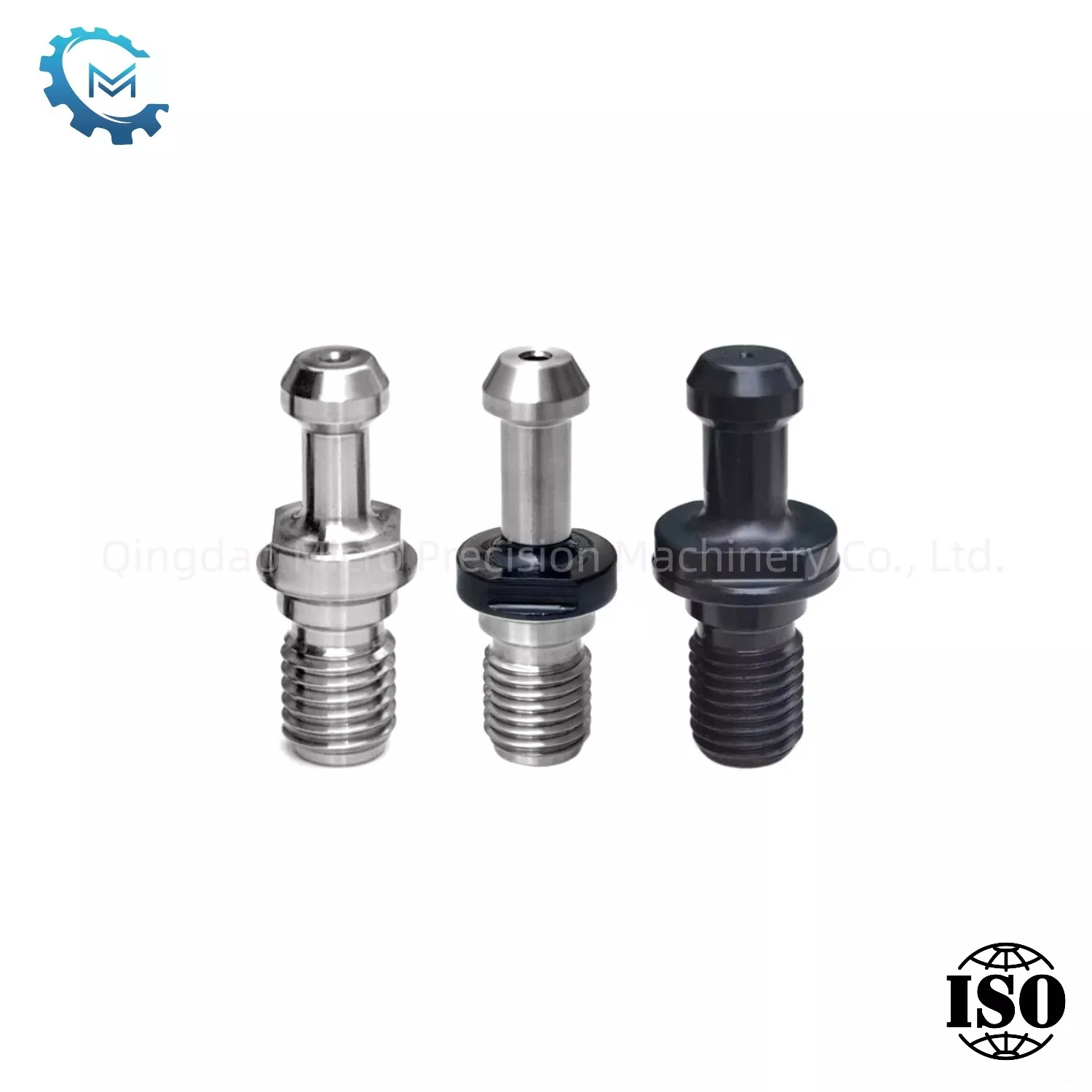
3. Retention knobs and pull studs
Small in size but critical in function, these parts support secure tool holder retention within the spindle system. A mismatch here can create serious safety and stability concerns.
4. CNC vises and workholding accessories
Workholding quality has a direct effect on repeatability. If the workpiece is not firmly and accurately secured, even the best cutting strategy will struggle to produce reliable results.
5. Sleeves and adaptors
When shops need flexibility across different tool diameters or spindle configurations, sleeves and adaptors become essential. Precision matters here, because every interface point can influence accuracy.
How should you choose the right accessories
Smart sourcing starts with clarity. Before requesting a quotation, buyers should define the actual working conditions of their production line. A good supplier can guide the process, but the best outcomes happen when the application requirements are clearly communicated from the beginning.
What should buyers confirm before ordering
- Machine model and spindle standard
- Required tolerance level and machining material
- Tool diameter range and speed conditions
- Batch volume and production rhythm
- Need for custom sizes or special specifications
- Expected durability, maintenance interval, and replacement cycle
- Whether stable repeat orders will be needed
Buyers should also ask detailed questions about material selection, production control, dimensional stability, and compatibility standards. It is far better to clarify these points before shipping than to discover fitment problems after the accessories arrive on site.
For companies serving international markets, consistency matters even more. Importers and distributors need confidence that each batch of Machine Tool Accessories will match the previous one in quality, performance, and specification. Stable supply is just as important as good design.
What separates a reliable supplier from a risky one
The market offers many accessory options, but not all suppliers support customers in the same way. Some only provide a catalog and a price list. Others help buyers reduce risk through responsive communication, specification confirmation, customization support, and dependable delivery.
A strong supplier does more than sell parts. It helps solve problems. That is especially important for customers who manage tight tolerances, export-oriented production, or high-mix machining demands.
| Supplier Evaluation Point | What to Look For | Why It Matters |
|---|---|---|
| Product range | Coverage of holders, collets, nuts, knobs, vises, sleeves, and related parts | Reduces fragmented sourcing |
| Customization ability | Support for size, standard, and application-specific adjustments | Improves fit for real production needs |
| Technical communication | Clear responses, parameter confirmation, practical recommendations | Lowers purchasing mistakes |
| Quality consistency | Stable production and repeatable specifications | Protects long-term performance |
| Delivery support | Reliable lead times and order follow-up | Helps production planning |
Qingdao Micro Precision Machinery Co., Ltd. understands that customers are not just buying individual components. They are investing in smoother operation, reduced uncertainty, and dependable long-term cooperation. That is why practical communication, precision-focused manufacturing, and application-based support remain so important when selecting a supplier.
What business benefits can the right choice bring
When buyers upgrade their Machine Tool Accessories, the improvements are often visible across multiple areas of the business. Better accessories can help production managers stabilize quality. They can help operators work with greater confidence. They can also help procurement teams lower the hidden cost of recurring problems.
The most meaningful gains often include:
- Improved part quality and lower rejection rates
- More predictable machining results across batches
- Longer service life for both tooling and supporting components
- Reduced downtime caused by fit, clamp, or wear issues
- Better production planning through reliable supply
- Stronger competitiveness in markets that demand precision and consistency
In other words, the right accessories support more than machining. They support customer satisfaction, delivery performance, and margin protection. That is why serious manufacturers continue to review and optimize their accessory systems instead of treating them as low-priority items.
FAQ
1. Are Machine Tool Accessories only important for high-end CNC machines?
No. They matter across a wide range of machining setups. Even standard production environments benefit from better clamping, stronger compatibility, and more stable operation.
2. How often should accessories be replaced?
That depends on usage intensity, machining conditions, and accessory type. Regular inspection is recommended, especially in high-speed or high-volume production.
3. Can customized accessories really make a difference?
Yes. When standard models do not fully match the machine or application, customization can improve fit, stability, and overall process efficiency.
4. Is low price a reliable way to compare suppliers?
Not by itself. A lower upfront cost may lead to higher long-term loss if the product causes unstable machining, extra wear, or supply interruptions.
5. What should I send when asking for a quotation?
It is best to provide machine type, spindle standard, accessory model, dimensional requirements, quantity, and any application details that may affect performance.
Why is now the right time to upgrade your sourcing strategy
In precision manufacturing, small components can create large consequences. If your workshop is facing tool instability, inconsistent part quality, excessive downtime, or uncertainty in supply, it may be time to review your current Machine Tool Accessories in a more practical and strategic way.
Qingdao Micro Precision Machinery Co., Ltd. is committed to providing dependable accessory solutions for customers who value precision, durability, and responsive cooperation. Whether you are looking for standard products or application-based customization, choosing the right partner can make your production line more stable from the first order onward.
Ready to improve machining consistency, reduce hidden production losses, and source Machine Tool Accessories with greater confidence? Contact us today to discuss your requirements, request a quotation, and find the right solution for your operation.